Chipotle Peppers in Adobo Sauce: The Complete Guide
Chipotle peppers in adobo sauce are smoked, dried jalapeños soaked in a rich, tangy red sauce. You will find them in small cans in almost every grocery store. One small can adds deep, smoky heat to soups, tacos, marinades, and dips.
This guide explains what they are, how they taste, how to use them, and what their nutrition looks like. You will also learn the best substitutes and how to store leftovers so nothing goes to waste.
Plan your meal and calculate your macros by visiting the Chipotle Nutrition Calculator homepage.
What Are Chipotle Peppers in Adobo Sauce?
A chipotle pepper is a jalapeño that has been ripened until red, then dried and smoked. The smoking step gives it that deep, campfire flavor. Adobo sauce is a thick blend of tomato, vinegar, garlic, and spices like oregano and cumin.
When you soak smoked jalapeños in adobo sauce, the peppers soften and soak up the tangy flavor. The result is a two-in-one ingredient. The pepper brings smoke and heat. The sauce brings tang and sweetness.
Where Do They Come From?
Chipotles come from Mexican cooking. The word “chipotle” comes from the Nahuatl word “chilpoctli,” which means smoked chili. Cooks in Mexico have smoked and dried jalapeños for centuries as a way to keep them fresh longer. Canning them in adobo sauce made them easy to ship and store, which is why they are so common today.
How Spicy Are They?
Chipotle peppers land between 2,500 and 8,000 on the Scoville scale. That is the same range as fresh jalapeños. The heat feels warmer and slower because of the smoking process. Most people find one pepper adds a pleasant kick without burning their mouth. The adobo sauce alone is milder, so start with the sauce if you are heat-shy.
Learn how to earn free entrees and extra perks in our guide to Chipotle Rewards.
What Do Chipotle Peppers in Adobo Taste Like?
The flavor is smoky first, then tangy, then hot. The tomato and vinegar in the sauce add a gentle sweetness that balances the fire. Many cooks describe the taste as “barbecue in a can.”
This mix is why one spoonful can transform a plain dish. A bland chili, a boring mayo, or a flat marinade all come alive with a little chipotle in adobo.
How to Use Chipotle Peppers in Adobo Sauce
You can use the whole pepper, chop it fine, or blend the whole can into a smooth paste. Here are the most popular ways to use them.
In Marinades and Rubs
Blend one or two peppers with oil, lime juice, and garlic. This makes a bold marinade for chicken, steak, shrimp, or tofu. The vinegar in the sauce also helps tenderize meat.
In Soups, Chili, and Stews
Stir one chopped pepper plus a spoon of sauce into a pot of chili or tortilla soup. It adds a smoky depth that tastes like the dish cooked all day.
In Creamy Sauces and Dips
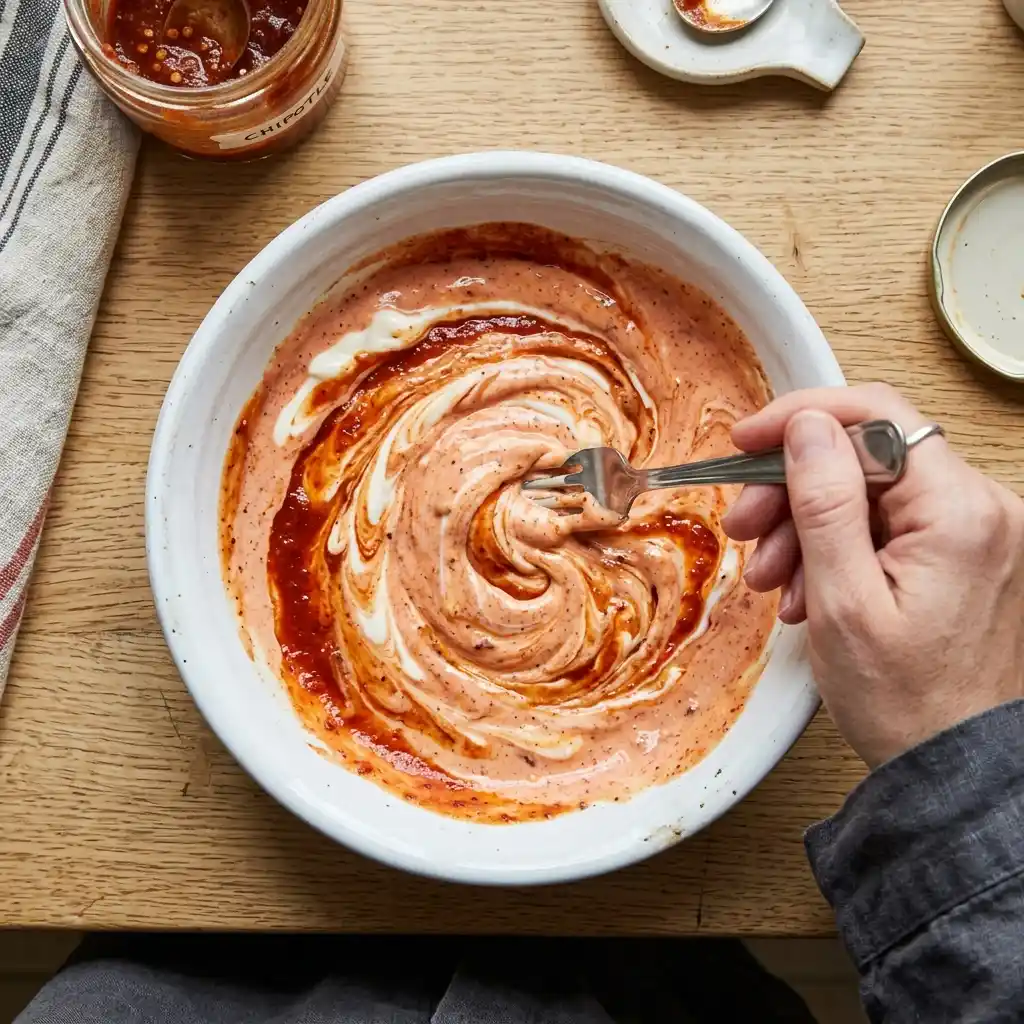
Mix minced chipotle into mayo, sour cream, or Greek yogurt. Chipotle mayo is famous on burgers, sandwiches, and fish tacos. Start with half a pepper and taste as you go.
In Salsas and Tacos
Blend a pepper with fire-roasted tomatoes, onion, and lime for a quick smoky salsa. You can also stir chopped chipotle straight into taco meat or beans.
A Simple Rule for Beginners
Use only the sauce for mild smoky flavor. Use one whole pepper for medium heat. Use two or more peppers for serious spice. You can always add more, but you cannot take it out.
Bring sweet and spicy flavors to your bowl with the limited-time Chipotle honey chicken.
Chipotle Peppers in Adobo Sauce Nutrition Facts
Chipotle peppers in adobo are low in calories but can be high in sodium. Here is the typical nutrition for a two-tablespoon serving (about 30 grams), which is roughly one pepper with sauce:
Calories and Macros Per Serving
- Calories: 15–20
- Total fat: 0–0.5 g
- Carbohydrates: 3 g
- Fiber: 1 g
- Sugar: 1–2 g
- Protein: 0.5 g
- Sodium: 190–290 mg
Exact numbers vary by brand, so check the label on your can. Because serving sizes are small, the calories barely register in most recipes.
Vitamins and Health Benefits
Chipotle peppers keep many of the good things found in fresh jalapeños. They offer vitamin A, vitamin C, and small amounts of potassium and iron. They also contain capsaicin, the compound that makes peppers hot. Studies link capsaicin to a faster metabolism and reduced appetite.
Watch the Sodium
The one thing to watch is salt. The adobo sauce is the main source of sodium. If you are cutting back on salt, use less sauce and more pepper, or rinse the peppers before use. People with sensitive stomachs may also want to start small, since spicy and acidic foods can cause heartburn.
Find the perfect pairing for your burrito by checking out the best Chipotle chips & sides.
Best Substitutes for Chipotle Peppers in Adobo Sauce
Chipotle Powder
Use half a teaspoon of chipotle powder for each pepper the recipe calls for. Add a splash of tomato paste and vinegar to mimic the adobo sauce.
Smoked Paprika Plus Cayenne
Mix one teaspoon of smoked paprika with a pinch of cayenne. This gives you smoke and heat, though the flavor is lighter.
Ancho Chili Paste
Ancho chilies are dried poblanos. They are milder and sweeter but share that deep, earthy taste. Soak dried anchos in hot water and blend into a paste.
Harissa or Sriracha
In a pinch, harissa paste or sriracha adds heat and tang. You will miss the smoke, so add a drop of liquid smoke or smoked paprika if you have it.
Ensure your meal is safe and fits your dietary needs by reviewing the Chipotle allergen menu.
How to Store Leftover Chipotle Peppers in Adobo
Most recipes use only one or two peppers, so leftovers are common. Never store them in the open can.
In the Fridge
Move leftovers to a sealed glass jar or airtight container. They keep for up to two weeks in the fridge.
In the Freezer
For long-term storage, spoon single peppers with a bit of sauce into an ice cube tray. Freeze, then move the cubes to a freezer bag. They last up to six months. Each cube is one ready-to-use portion, which makes future cooking fast.
Blend Into a Paste
Another trick is to blend the whole can into a smooth paste. Store the paste in a jar and use a spoonful whenever a recipe needs smoky heat.
Quick Recipe: 5-Minute Chipotle Mayo
Here is the easiest way to try chipotle peppers today.
- Add one cup of mayo to a bowl.
- Mince one chipotle pepper and add it with one teaspoon of adobo sauce.
- Squeeze in juice from half a lime.
- Add a pinch of garlic powder and salt.
- Stir well and chill for 10 minutes.
Spread it on burgers, tacos, sandwiches, or use it as a fry dip.
Discover bowls and salads tailored to Keto, Paleo, and Whole30 in our guide to Chipotle special diet options.
Final Thoughts
Chipotle peppers in adobo sauce are one of the cheapest ways to add big flavor to everyday meals. One small can gives you smoke, heat, and tang all at once. Use the sauce for mild flavor, the peppers for real heat, and freeze the rest for later. Keep a can in your pantry and you will never serve a boring dish again.
Spice up your dipping game with a rich and smoky Chipotle aioli.
Frequently Asked Questions
Are chipotle peppers in adobo sauce healthy?
Yes, in normal amounts. They are low in calories and fat and contain vitamins A and C plus capsaicin. The main concern is sodium, so watch your portions if you limit salt.
Can I make it dairy-free?
Yes, absolutely! Regular mayonnaise is already naturally dairy-free. It is made from eggs and oil, not milk or cream. So the standard chipotle aioli is totally safe for people who are completely avoiding dairy products. Just double-check your mayo label to be absolutely sure.
Are chipotle peppers in adobo sauce vegan and gluten-free?
Most brands are vegan and gluten-free, since the sauce is made from tomatoes, vinegar, and spices. Always check the label, because recipes differ by brand.
What is the difference between chipotle peppers and jalapeños?
They are the same pepper at different stages. A jalapeño is fresh and green. A chipotle is a red, ripe jalapeño that has been dried and smoked.
How many chipotle peppers should I use in a recipe?
Start with one pepper plus a teaspoon of sauce for a family-size dish. Taste, then add more if you want extra heat.